IT Infrastructure Maintenance: Best Practices & Benefits for Managers
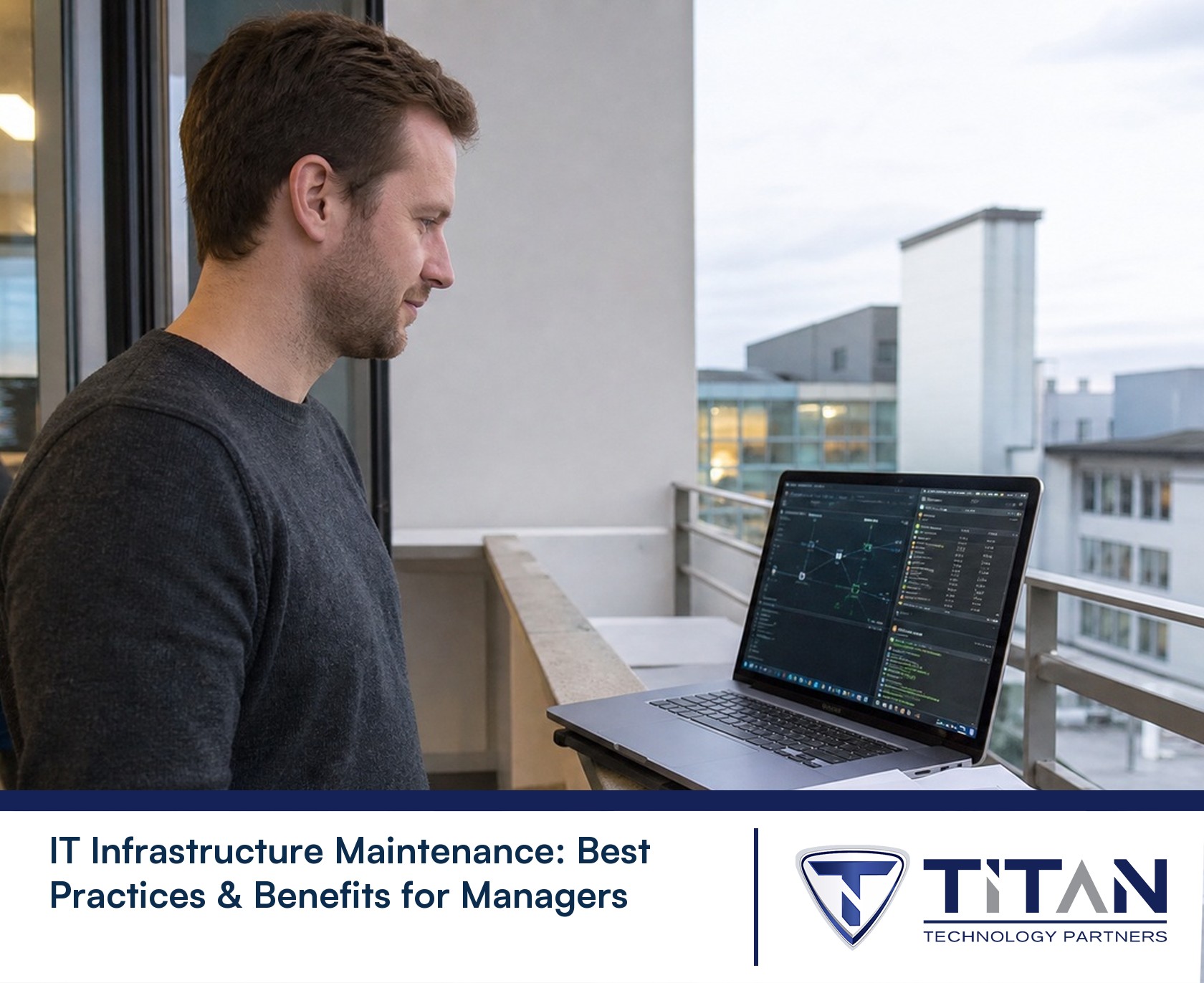

What we keep hearing from businesses is that IT infrastructure maintenance often gets pushed down the priority list until something breaks. Many teams only realize the importance of regular upkeep after facing unexpected downtime or security issues.
"Consistent IT infrastructure maintenance is the foundation for reliable business operations and long-term growth."
Industry research shows that companies with scheduled maintenance experience fewer outages and recover faster from incidents. IT infrastructure maintenance means taking care of all the systems, hardware, software, and networks that keep your business running. Without it, even the best technology can become unreliable, slow, or vulnerable to threats. By following infrastructure best practices and using the right management tools, you can keep your business operations smooth and avoid costly disruptions. An experienced infrastructure manager can help you create a plan that fits your needs, whether you rely on cloud infrastructure, a local data center, or a mix of both. Service management and effective IT infrastructure management ensure that your systems stay updated, secure, and ready for growth.
[.c-button-wrap][.c-button-main]Contact Us[.c-button-main][.c-button-wrap]
Understanding IT infrastructure maintenance
A pattern we notice again and again is that businesses often underestimate how complex IT infrastructure maintenance can be. It’s more than just updating software or replacing old hardware. Maintenance includes monitoring your network infrastructure, checking cloud services, and making sure all infrastructure components work together. When you manage IT infrastructure well, you reduce the risk of downtime, data loss, and security breaches.
Effective IT infrastructure management also helps you plan for the future. By tracking performance and identifying weak spots, you can make smarter decisions about upgrades and investments. This approach supports growth and keeps your business competitive. Management ensures that your systems can handle new demands, whether you’re adding users, launching new services, or moving more operations to the cloud.

Common mistakes and strategies for effective IT infrastructure management
Even experienced teams can make mistakes with IT infrastructure maintenance. Here are some key strategies and pitfalls to watch out for:
Mistake #1: Ignoring regular updates
Skipping updates for software, firmware, or hardware can leave your systems open to security risks and performance issues. Make a habit of scheduling updates and patches to keep everything running smoothly.
Mistake #2: Overlooking backup and disaster recovery
Not having a solid backup plan can be disastrous if something goes wrong. Regularly test your backups and review your disaster recovery process to ensure you can restore data quickly.
Mistake #3: Failing to monitor network performance
Without proper monitoring, small issues can grow into major problems. Use management tools to track network health, spot bottlenecks, and address them before they impact users.
Mistake #4: Not planning for scalability
As your business grows, your IT needs will change. Plan for future expansion by choosing solutions that can scale with you, like cloud infrastructure or modular hardware.
Mistake #5: Relying on manual processes
Manual maintenance is time-consuming and prone to errors. Automate routine tasks where possible to save time and reduce mistakes.
Mistake #6: Neglecting security updates
Cyber threats are always evolving. Make sure your security software and protocols are up to date to protect your data and systems.
Mistake #7: Lacking clear documentation
Without clear records of your infrastructure and maintenance activities, troubleshooting becomes harder. Keep detailed documentation to help your team stay organized and efficient.
Key benefits of IT infrastructure management
Managing your IT infrastructure well brings several important advantages:
- Reduces downtime and keeps your business running smoothly.
- Improves security by addressing vulnerabilities quickly.
- Supports business growth by making it easier to add new users or services.
- Lowers long-term costs by preventing major failures and expensive repairs.
- Increases efficiency through automation and better resource use.
- Makes compliance with regulations easier by keeping systems up to date.

The role of an IT maintenance company and IT maintenance and support
Partnering with an IT maintenance company can make a big difference, especially for small and medium-sized businesses. These experts provide IT maintenance and support tailored to your needs, so you don’t have to worry about the technical details. They use management tools to monitor your systems, handle updates, and respond quickly to any issues.
A good IT maintenance company will also help you plan for the future. They can recommend upgrades, help you move to cloud infrastructure, and ensure your data center is secure and efficient. With their support, you can focus on your core business while they manage IT infrastructure and keep everything running smoothly.
Components of IT infrastructure management: A closer look
Understanding the main parts of IT infrastructure management helps you see where to focus your efforts. Here’s a breakdown of the key components:
Component #1: Hardware management
This includes servers, computers, and networking equipment. Regular checks and updates keep your hardware reliable and extend its lifespan.
Component #2: Software management
Managing software means keeping operating systems, applications, and security tools up to date. This prevents compatibility issues and security gaps.
Component #3: Network management
Your network infrastructure connects all your devices and systems. Monitoring and maintaining it ensures fast, secure communication and data transfer.
Component #4: Cloud services management
Many businesses use cloud services for storage, applications, or backups. Managing these services means tracking usage, costs, and security settings.
Component #5: Data center management
If you have a local data center, you need to monitor power, cooling, and physical security. Regular maintenance prevents outages and protects your equipment.
Component #6: Security management
Protecting your systems from cyber threats is a top priority. This includes firewalls, antivirus software, and regular security audits.
Component #7: Documentation and compliance
Keeping records of your infrastructure, maintenance activities, and compliance checks helps you stay organized and meet regulatory requirements.

Practical steps for implementing IT infrastructure maintenance
Getting started with IT infrastructure maintenance doesn’t have to be overwhelming. Start by assessing your current systems and identifying areas that need attention. Create a maintenance schedule that covers updates, backups, and security checks. Use management tools to automate routine tasks and monitor performance.
Work with your infrastructure manager or IT maintenance company to set clear goals and track progress. Regular reviews help you adjust your plan as your business grows or technology changes. Remember, effective IT infrastructure management is an ongoing process, not a one-time project.
Best practices for IT infrastructure maintenance
Following best practices helps you avoid common problems and get the most from your IT investments:
- Schedule regular maintenance and stick to it.
- Automate updates and backups whenever possible.
- Monitor network performance to catch issues early.
- Keep detailed documentation of your systems and maintenance activities.
- Train your team on security protocols and safe practices.
- Review your infrastructure needs regularly to plan for growth.
Staying proactive with maintenance keeps your business running smoothly and reduces the risk of unexpected problems.

How Titan Technology Partners can help with IT infrastructure maintenance
Are you a business with 15 to 50 users looking for reliable IT infrastructure maintenance? If your company is growing and you want to avoid downtime, security risks, or costly repairs, our team is here to help.
We understand the challenges of managing IT infrastructure, especially as your needs change. Titan Technology Partners offers customized IT maintenance and support, so you can focus on your business while we handle the technical details. Contact us today to learn how we can keep your systems running smoothly and securely.
[.c-button-wrap][.c-button-main]Contact Us[.c-button-main][.c-button-wrap]
Frequently asked questions
What are the most important infrastructure management best practices for small businesses?
For small businesses, following infrastructure management best practices means setting up regular maintenance schedules and using management tools to monitor your systems. This helps you spot problems early and keep your business operations running smoothly.
It’s also important to document your processes and train your team on basic IT tasks. Good documentation and training make it easier to manage IT infrastructure and respond quickly to issues.
How does an infrastructure manager help with effective IT infrastructure management?
An infrastructure manager oversees all aspects of your IT systems, from hardware to cloud services. They ensure that updates, backups, and security checks happen on time, reducing the risk of downtime.
By coordinating with your team and using management tools, the infrastructure manager helps you manage IT infrastructure efficiently and plan for future growth.
What are the key components of IT infrastructure management for growing companies?
Growing companies should focus on the main infrastructure components: hardware, software, network infrastructure, and cloud services. Each part needs regular attention to stay reliable.
Management also includes keeping records of maintenance and compliance checks. This helps you meet regulations and avoid costly mistakes as your business expands.
Why is service management important for IT maintenance and support?
Service management ensures that your IT maintenance and support are organized and responsive. It helps you track requests, resolve issues quickly, and keep users happy.
By using service management tools, you can monitor performance and make sure your infrastructure needs are met as your business changes.
How can management strategy improve infrastructure management solutions?
A clear management strategy helps you choose the right infrastructure management solutions for your business. It guides your decisions on upgrades, cloud infrastructure, and security measures.
With a solid strategy, you can optimize IT infrastructure management and make smarter investments that support your long-term goals.
What are the emerging trends in IT infrastructure management for mid-sized businesses?
Emerging trends in IT infrastructure management include increased use of cloud infrastructure, automation, and advanced security tools. These trends help mid-sized businesses stay competitive and reduce manual work.
By keeping up with trends in IT infrastructure management, you can improve your management capabilities and prepare for future challenges.