
Security Incident Response Team: Best Practices & Effective Response Teams
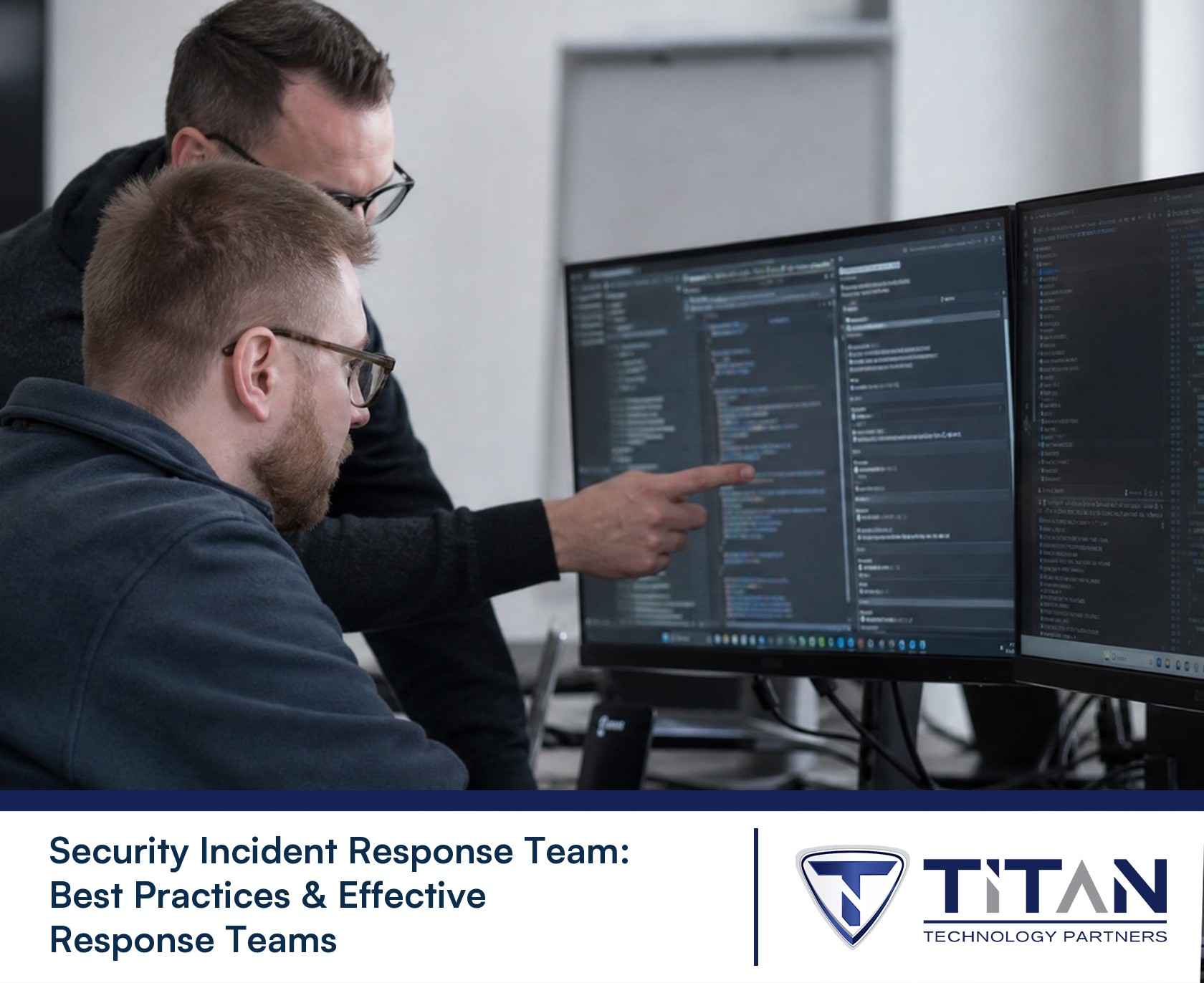
What we keep hearing from businesses is that they often think having antivirus software or a firewall is enough to handle security incidents. But when something actually goes wrong, many teams realize they don’t know who should do what, or how fast they need to act. Here’s a clear insight: a security incident response team is only effective if everyone knows their role before an incident happens. Industry research shows that organizations with a formal incident response team reduce the cost and impact of a breach by over 30% compared to those without one.
A security incident response team is a group of people in your company who are trained and ready to respond when a cyber threat or data breach occurs. Their main job is to spot, contain, and fix security problems quickly, so your business can keep running smoothly. This team usually includes IT staff, analysts, and sometimes outside experts, all working together to limit damage and recover fast. If you want to protect your business from computer security incidents and vulnerabilities, having a response team in place is a must. The right team members can make the difference between a minor issue and a major crisis.
What makes an effective incident response team?
Building an effective incident response team means more than just picking a few IT staff. It’s about having the right mix of skills, clear roles, and a plan everyone understands. Here are the key elements that set successful response teams apart:
Clear roles and responsibilities
Every team member should know exactly what they are supposed to do during a security incident. This avoids confusion and speeds up your response. Assigning roles like incident coordinator, technical analyst, and communications lead is a best practice.
Regular training and simulations
Practicing your incident response plan with real-world scenarios helps your team stay sharp. Training also prepares everyone for new threats, including AI security incidents, which are becoming more common.
Fast detection and reporting
The sooner you spot a problem, the better. Effective teams use monitoring tools and clear reporting channels so issues are flagged quickly. This is especially important for AI security incidents, where threats can spread fast.
Strong communication
Keeping everyone in the loop—both inside and outside the team—is critical. Good communication helps with containment and keeps stakeholders informed, so there are no surprises.
Access to the right tools
Your team needs reliable systems for detection, forensic analysis, and containment. Make sure they have what they need before an incident happens.
Collaboration with third-party experts
Sometimes, you’ll need outside help. Having relationships with third-party cybersecurity specialists or a computer security incident response team (CSIRT) can make a big difference during complex incidents.
Continuous improvement
After every incident, review what went well and what didn’t. Update your plan and training to address any gaps. This keeps your response team effective as threats evolve.

Key benefits of having a security incident response team
A dedicated team offers several important advantages:
- Faster detection and containment of threats, reducing overall damage.
- Clear roles and processes, so everyone knows what to do in a crisis.
- Improved compliance with regulations and industry standards.
- Better communication with stakeholders, customers, and regulators.
- Access to specialized skills for handling complex incidents.
- Increased confidence in your company’s ability to recover from attacks.
Why an incident response plan matters
An incident response plan is the backbone of your security strategy. It outlines exactly how your security incident response team will act when a threat is detected. Without a plan, even the best team can struggle to coordinate and respond quickly. A strong plan covers everything from initial detection to final recovery, making sure nothing is missed.
Having a plan also helps you meet legal and industry requirements. Many regulations now expect businesses to have a documented incident response process. This is especially important if you handle sensitive customer data or operate in industries with strict rules. A clear plan also makes it easier to train new team members and keep everyone on the same page.

Steps for building an incident response team
Putting together a response team is a process that takes planning and attention to detail. Here are the main steps to follow:
Identify key roles and skills
Start by listing the skills you need, such as IT expertise, forensic analysis, and communication. Then, assign people to each role based on their strengths and experience.
Develop your incident response plan
Write a clear plan that covers detection, containment, communication, and recovery. Make sure it’s easy to understand and update as needed.
Train your team regularly
Schedule regular training sessions and run simulations to keep everyone prepared. Include scenarios for new threats like AI security incidents.
Set up monitoring and reporting tools
Invest in tools that help you detect threats early and report them quickly. This is key to effective incident response.
Build relationships with third-party experts
Connect with outside cybersecurity firms or CSIRTs who can help during major incidents. Having these contacts ready saves time when you need them most.
Review and update your plan
After every incident or drill, review what happened and make improvements. This keeps your team and plan current.
Practical considerations for response teams
When setting up your security incident response team, think about how your business operates day-to-day. Make sure your plan fits your company’s size and structure. For example, a small business might have a few people with multiple roles, while a larger company can assign more specialized tasks.
It’s also important to automate parts of your response where possible. Automation can speed up detection and containment, especially for common threats. However, don’t rely on tools alone—human judgment is still critical for complex or unusual incidents. Finally, make sure your team has access to up-to-date information about new threats and vulnerabilities, so they can adapt quickly.

Best practices for building a security incident response team
Follow these best practices to get the most out of your team:
- Assign clear roles and make sure everyone knows their responsibilities.
- Keep your incident response plan up to date and easy to follow.
- Train regularly, including for new threats like AI security incidents.
- Use reliable systems for detection, containment, and reporting.
- Build relationships with third-party experts before you need them.
- Review every incident and update your plan based on lessons learned.
With the right approach, your security incident response team will be ready to handle whatever comes your way.

How Titan Technology Partners can help as your security incident response team
Are you a business with 15 to 50 users looking to strengthen your security? If your company is growing and you want to make sure you’re ready for any cyber threat, our team can help you build and manage an effective security incident response team tailored to your needs.
We understand the challenges of keeping up with new threats and regulations. Our experts will work with you to create a clear incident response plan, train your team, and provide ongoing support. Don’t wait until a security incident happens—contact us today to protect your business and your reputation.
Frequently asked questions
What is the main purpose of an incident response team?
The main purpose of an incident response team is to quickly detect and respond to security incidents, minimizing damage and downtime. By having a dedicated group in place, you can handle threats more efficiently and protect your business assets. These teams are essential for effective incident response and keeping your systems secure.
How often should a response team update its incident response plan?
A response team should review and update its incident response plan at least once a year or after any major incident. Regular updates ensure the plan stays relevant as new threats emerge and your business changes. This helps maintain best practices and keeps your team ready for anything.
What types of security incidents should a team be prepared for?
Teams should be ready for a range of security incidents, including malware attacks, data breaches, insider threats, and AI security incidents. Preparing for different scenarios ensures your team can respond to both common and advanced threats. This approach supports a strong cybersecurity posture.
Who should be included as team members in a security incident response team?
Team members should include IT staff, analysts, and representatives from key business areas. In some cases, you may also need to involve third-party experts or legal advisors. Having a diverse group helps address all aspects of an incident, from technical fixes to communication with stakeholders.
Why is containment important during a security incident?
Containment is crucial because it stops the spread of a threat and limits its impact on your business. Quick containment can prevent further data loss or system damage. This step is a core part of any effective incident response strategy.
How does incident reporting help improve future response?
Incident reporting creates a record of what happened, how it was handled, and what could be improved. Reviewing these reports helps your team learn from each incident and update your plan. This ongoing process supports continuous improvement and better security solutions.