
IT Security Assessment: Security Risk, Cybersecurity Risk Assessment & Tools
What we keep hearing from businesses is that they often believe their IT systems are secure—until a small issue exposes a much bigger problem. One clear insight: Most companies only realize their weak spots after a minor incident, not before. Industry research shows that over half of small and midsize businesses have experienced at least one security incident in the past year, often due to gaps they didn't know existed.
An IT security assessment is a structured process that helps you find and fix these hidden risks before they become costly. It involves reviewing your technology, policies, and procedures to spot vulnerabilities and measure your current security posture. By understanding where your sensitive information and systems are exposed, you can prioritize improvements, stay compliant, and reduce the chance of data breaches or cyber threats. This process is essential for any organization that wants to protect its information security and maintain trust with clients and partners.
Understanding IT security assessment: What it is and why it matters
An IT security assessment is more than just a checklist. It's a way to evaluate how well your business can defend itself against cyber risks and meet compliance requirements. By taking a close look at your systems, you can identify risks, understand the potential impact of threats, and decide where to focus your resources.
Security teams use this assessment to review everything from firewalls and passwords to employee training and backup plans. The goal is to find vulnerabilities before attackers do. When you regularly perform an IT security assessment, you build a stronger security program and show clients and regulators that you take information security seriously.
Common mistakes to avoid in your security risk assessment
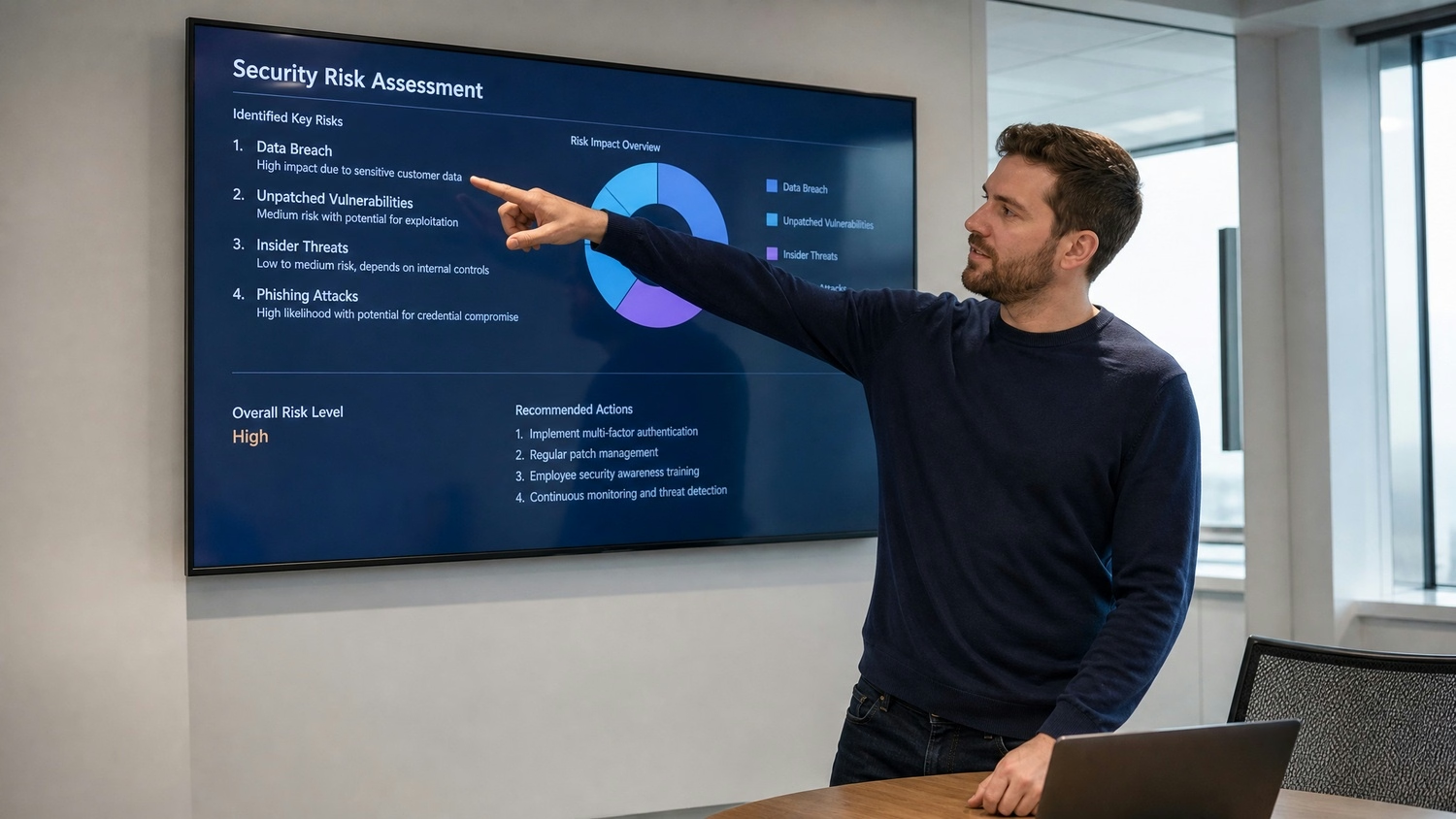
Even with the best intentions, businesses often make avoidable mistakes during a security risk assessment. Here are some of the most common issues and why they matter.
Mistake #1: Skipping regular reviews
Some companies treat security risk assessments as a one-time task. But threats and technology change quickly. If you don't review your systems regularly, you might miss new vulnerabilities or changes in your environment that increase risk.
Mistake #2: Ignoring third-party risks
Vendors and partners can introduce cyber risks into your network. Failing to assess these connections can leave you exposed to threats that originate outside your organization.
Mistake #3: Overlooking employee training
Human error is a leading cause of security incidents. If your assessment doesn't include a review of employee awareness and training, you could be missing a major vulnerability.
Mistake #4: Not documenting findings
Without clear documentation, it's hard to track what issues were found, what actions were taken, and whether improvements are working. Good records make future assessments easier and support compliance efforts.
Mistake #5: Focusing only on technology
Security isn't just about firewalls and antivirus software. Policies, procedures, and physical security controls are just as important. A complete assessment covers all these areas.
Mistake #6: Failing to prioritize risks
Not all risks are equal. If you try to fix everything at once, you may waste resources on low-impact issues while missing critical threats. Prioritizing helps you focus on what matters most.
Key benefits of a thorough cybersecurity risk assessment
A strong cybersecurity risk assessment offers several important advantages:
- Helps you identify risks before they lead to data breaches or downtime.
- Supports compliance with industry regulations and standards.
- Improves your overall security posture and builds trust with clients.
- Guides smart investments in security controls and resources.
- Reduces the potential impact of cyber threats on your business.
- Prepares your team to respond quickly and effectively to incidents.

The role of cyber risk in your overall security strategy
Cyber risk is a major factor in any organization's security planning. It refers to the chance that your business could be harmed by cyber threats like hacking, malware, or data leaks. Understanding your specific risks helps you make better decisions about where to invest time and money.
A good IT security assessment looks at both technical and non-technical factors. This includes reviewing your assessment tool, checking for compliance gaps, and making sure your risk management approach is up to date. By understanding your risk levels, you can build a security program that fits your needs and reduces the chance of costly incidents.
Steps to strengthen your security assessment process
Improving your security assessment process takes planning and attention to detail. Here are key steps to follow:
Step #1: Define your scope and objectives
Start by deciding what systems, data, and processes you want to review. Clear goals help you focus your efforts and measure success.
Step #2: Gather information and identify assets
List all the hardware, software, and sensitive information you need to protect. Knowing what you have is the first step to protecting it.
Step #3: Identify threats and vulnerabilities
Look for potential threats and weaknesses in your systems. This might include outdated software, weak passwords, or unsecured devices.
Step #4: Evaluate existing security controls
Review the measures you already have in place, such as firewalls, encryption, and access controls. Are they working as intended?
Step #5: Assess potential impact and risk levels
Consider what could happen if a threat exploited a vulnerability. How would it affect your business? This helps you prioritize which risks to address first.
Step #6: Develop a plan to mitigate risks
Create an action plan to fix the most serious issues. Assign responsibilities and set deadlines to make sure improvements happen.
Step #7: Review and update regularly
Security is not a one-time job. Schedule regular assessments to keep up with new threats and changes in your environment.

Practical steps for implementing an IT security assessment
Putting an IT security assessment into action doesn't have to be overwhelming. Start by choosing an assessment tool that fits your business size and needs. Work with an IT security expert who understands both technology and compliance requirements.
Involve your security teams in the process, from gathering information to reviewing findings. Make sure everyone knows their role and why the assessment matters. After the assessment, use the results to update your policies, train staff, and improve your security controls. Regular reviews help you stay ahead of new threats and keep your security program strong.
Best practices for ongoing IT security management
To keep your business protected, follow these best practices:
- Schedule regular IT security assessments to catch new risks early.
- Involve leadership and staff in security awareness training.
- Use current assessment tools and update them as needed.
- Document all findings and actions for compliance and future reference.
- Review and update your risk management plan at least once a year.
- Work with an IT security expert to stay informed about new threats and solutions.
Staying proactive with IT security management helps you avoid surprises and keeps your business running smoothly.
How Titan Technology Partners can help with IT security assessment
Are you a business with 15 to 50 users looking to improve your security and reduce risk? If your company is growing, it's important to make sure your IT systems can keep up with new challenges and threats.
Our team at Titan Technology Partners specializes in IT security assessment and IT security management for organizations like yours. We help you find vulnerabilities, build a stronger security posture, and stay compliant—so you can focus on running your business. Contact us today to learn how we can support your security program and protect your sensitive information.
Frequently asked questions
How often should we perform a security risk assessment for our business?
You should perform a security risk assessment at least once a year, or whenever you make major changes to your systems. Regular assessments help you identify risks and keep your security controls up to date. This process also supports compliance with industry standards and regulations.
By reviewing your security posture regularly, you can spot new vulnerabilities and address them before they lead to data breaches. Involving your security teams in these reviews ensures that everyone is aware of current threats and best practices.
What is the difference between a cybersecurity risk assessment and a general IT audit?
A cybersecurity risk assessment focuses on finding and prioritizing threats and vulnerabilities that could impact your information security. It looks at both technical and human factors, such as weak passwords or a lack of training.
An IT audit, on the other hand, is a broader review of your information system, including hardware, software, and processes. While both are important, a cybersecurity risk assessment is more targeted at preventing cyber threats and protecting sensitive information.
Why is it important to use an assessment tool during a cyber risk review?
Using an assessment tool helps you standardize the risk assessment process and ensures that nothing is overlooked. These tools guide you through each step, from identifying assets to evaluating risk levels.
A good assessment tool also makes it easier to document findings, track improvements, and demonstrate compliance. This is especially helpful if you need to meet NIST or other regulatory requirements.
How can we prioritize which cybersecurity risks to address first?
Start by evaluating the potential impact of each risk on your business. Focus on threats that could cause the most harm, such as those affecting sensitive information or critical systems.
Work with your IT security expert to rank risks by likelihood and impact. Address high-priority risks first, then move on to lower-risk issues. This approach makes the best use of your resources and strengthens your overall security program.
What role do security teams play in the risk assessment process?
Security teams are responsible for gathering information, identifying risks, and recommending improvements. They also help evaluate the effectiveness of existing security controls and suggest updates as needed.
By involving your security teams in every step of the risk assessment process, you ensure that your business stays protected against evolving cyber threats. Their expertise is key to building a reliable security program.
How does compliance affect our IT security assessment strategy?
Compliance requirements often dictate how often you need to perform a cybersecurity risk assessment and what areas you must review. Meeting these standards helps you avoid fines and build trust with clients.
Your IT security management plan should include regular reviews of compliance requirements and updates to your policies and procedures. This keeps your business aligned with industry regulations and reduces the risk of costly data breaches.